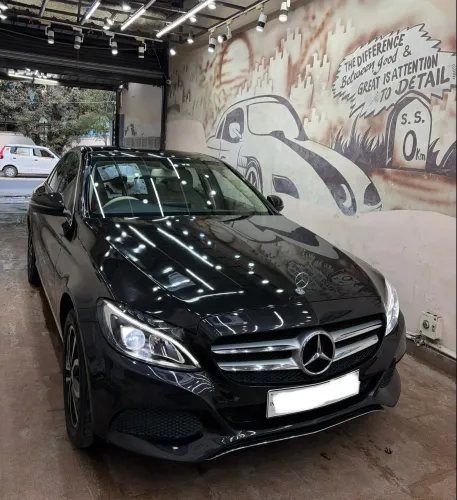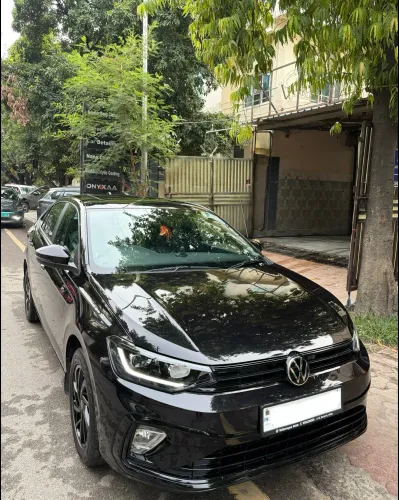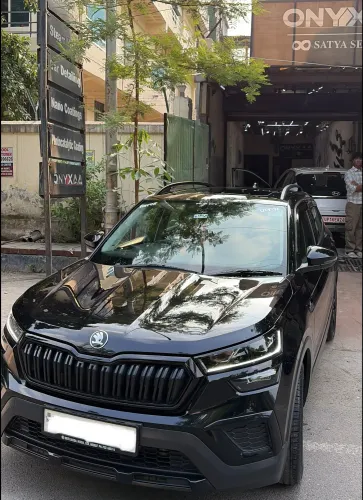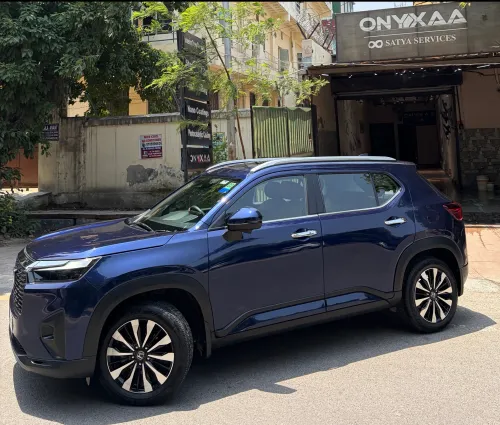

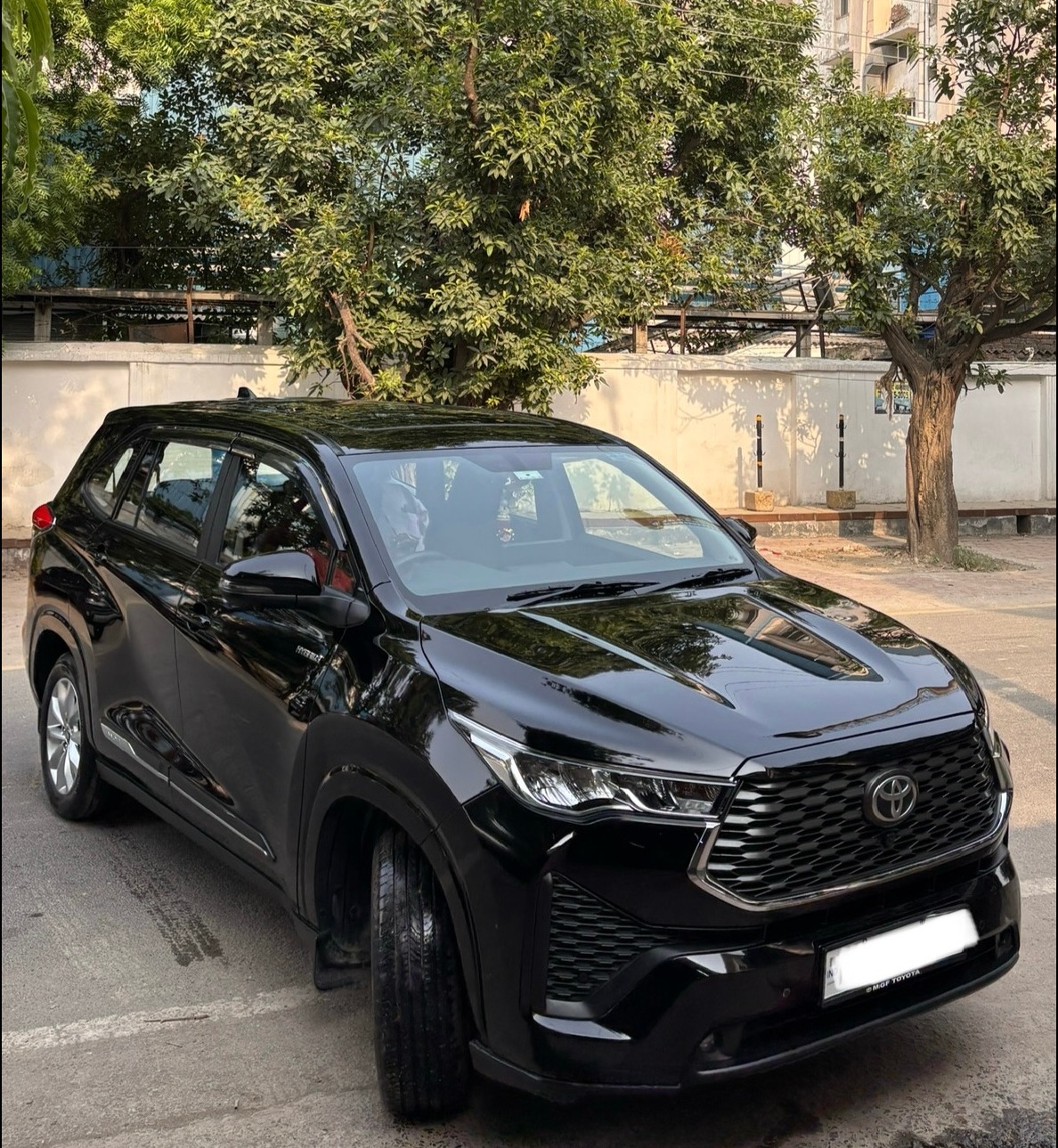
Graphene Vs Borophene Coating Both graphene and borophene coatings have impressive properties, but there are some key differences:
Graphene Coating: 1. High electrical conductivity
2. Excellent mechanical strength and flexibility
3. Good thermal conductivity
4. Can be used for various applications, including energy storage and electronics
Borophene Coating:1. Higher mechanical strength and stiffness than graphene
2. Better thermal conductivity and stability
3. Can withstand higher temperatures and corrosive environments
4. Has potential applications in aerospace automotive and energy industries
However, Borophene is still a relatively new material, and its production costs and scalability are still being developed Graphene Coating – A Step Up
This one’s newer. It’s basically ceramic coating but with graphene mixed in. Graphene is super strong (stronger than steel they say) and also handles heat much better.
Why it’s better than ceramic:
More scratch resistance
Water slides off faster (less chance of water spots)
Handles heat better – perfect for Indian summers
Lasts longer – around 5 to 7 years with proper care But:
Costs more than ceramic
Needs an experienced hand to apply properly
Borophene Coating – The New King
New comes the latest technology — Borophene Coating. This is where Onyxaa is leading the game. Borophene is made from boron, and it’s even stronger and lighter than graphene.
When applied on your car it forms an almost invisible yet super tough layer that protects against nearly everything — dirt, scratches heat water and even light scuffs disappear with a little heat (sunlight works!).
Why Borophene is the future:
Strongest protection available today
Self-healing — minor scratches vanish with sunlight
Handles heat like a champ — no water spots
Longest lasting — easily 8 to 10 years
The gloss is next level — your car will look better than showroom finishBut:
It’s a premium product, so the price is higher
Ceramic Coating – The Old Trusted Option
Ceramic coating is nothing new — it’s been used for years to protect car paint. It’s basically a liquid that we apply over your car’s surface. Once it dries and settles, it creates a thin shield on top of the paint. This helps keep dirt from sticking, protects the paint from sunlight, and even reduces those small scratches you get from regular washing.
Why people like it:
Adds a good shine
Makes cleaning easier
Protects from UV rays and some scratches
Doesn’t cost a bomb But:
Not the strongest against deeper scratches
Water spots can still form if the car is left in the sun after rain
Lasts around 2-3 years if maintained well
Graphene Coating – A Step Up
This one’s newer. It’s basically ceramic coating, but with graphene mixed in. Graphene is super strong (stronger than steel, they say) and also handles heat much better.
Why it’s better than ceramic:
More scratch resistance
Water slides off faster (less chance of water spots)
Handles heat better – perfect for Indian summers
Lasts longer – around 5 to 7 years with proper care
But: Costs more than ceramic
Needs an experienced hand to apply properly
Borophene Coating – The New King
Now comes the latest technology — Borophene Coating. This is where Onyxaa is leading the game. Borophene is made from boron, and it’s even stronger and lighter than graphene.
When applied on your car, it forms an almost invisible yet super tough layer that protects against nearly everything — dirt, scratches, heat, water, and even light scuffs disappear with a little heat (sunlight works!).
Why Borophene is the future:
Strongest protection available today
Self-healing — minor scratches vanish with sunlight
Handles heat like a champ — no water spots
Longest lasting — easily 8 to 10 years
The gloss is next level — your car will look better than showroom finish But:
It’s a premium product, so the price is higher
Needs expert hands (luckily, that’s what we do at our Store
Needs expert hands (luckily that's what we do)
A car coating is a protective layer applied to a vehicle's exterior to protect its paint from environmental damage like UV rays, dirt, and scratches, and to enhance its shine. Common types include ceramic coatings, which are long-lasting, hydrophobic, and made of liquid glass SI02,
Ceramic Coating: A semi-permanent liquid polymer that chemically bonds to the car's paint, creating a hard, protective, and hydrophobic layer.
Pros: Excellent durability, resistance to UV rays, chemical stains, and minor scratches; makes the car easier to clean.
Cons: Higher cost and requires professional application for best results; can be difficult to remove for Toyota Innova Hycross Crysta Fortuner Legender Vellfire Hylux Rumion Camry Taisor Glanza Urban Cruser Hyryder